The Arteries of Global Trade
Explore the engineering marvels, strategic positioning, and staggering capacities of the world's most critical seaports. These massive maritime hubs power the global supply chain day and night.
Explore the PortsMajor Maritime Hubs
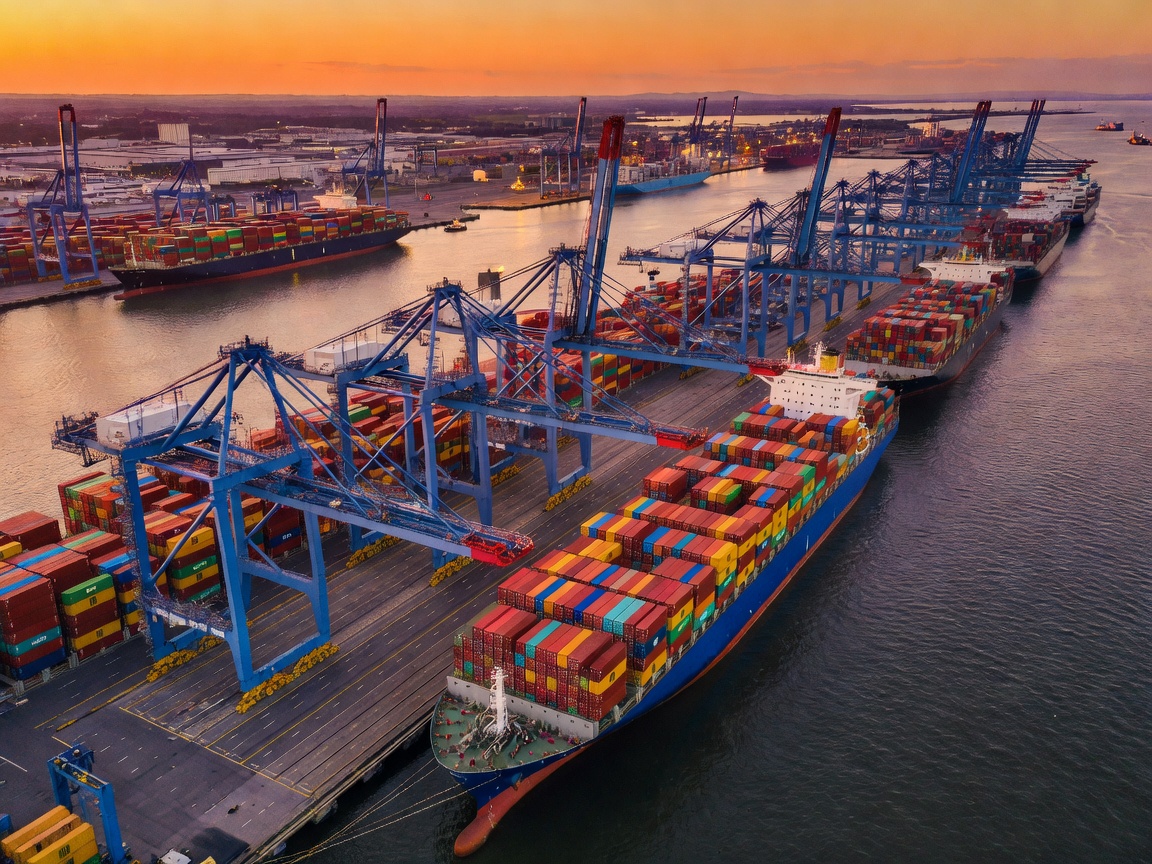
Port of Shanghai
Handling tens of millions of TEUs annually, Shanghai remains the undisputed champion of global container throughput.
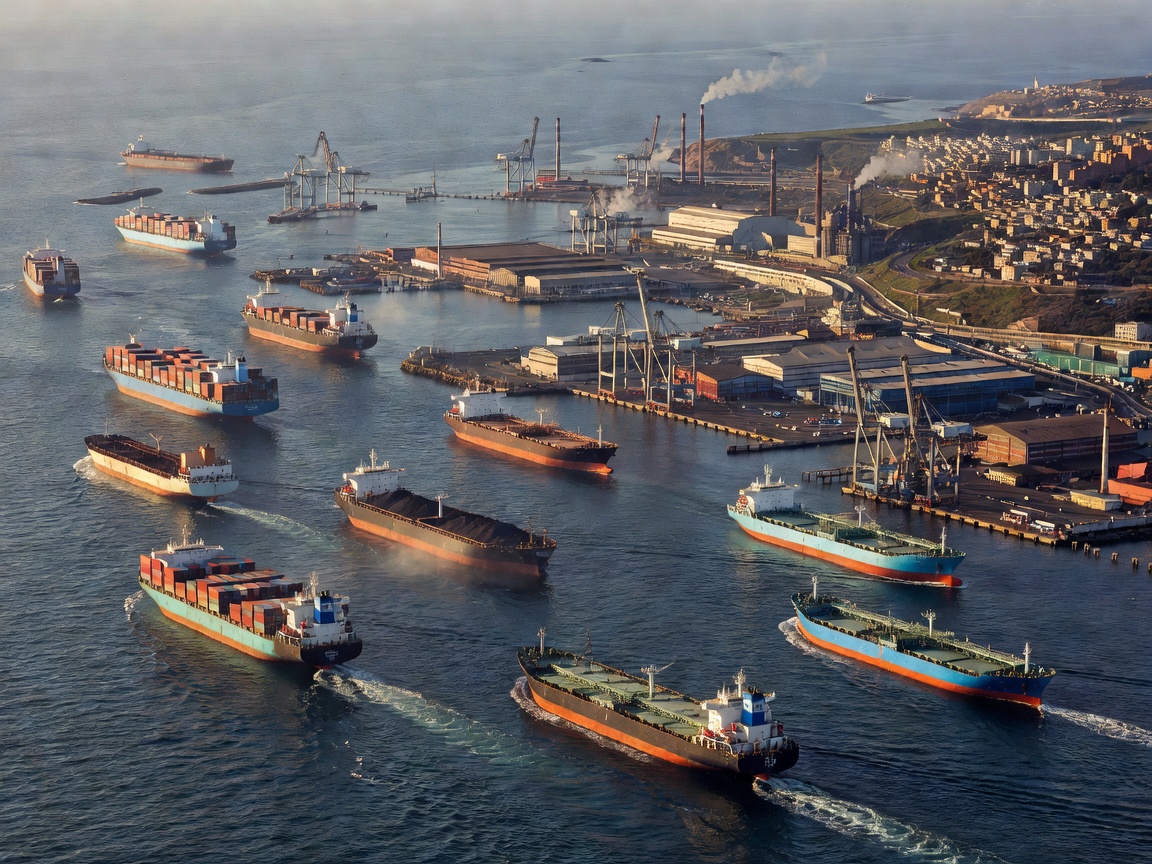
Port of Singapore
The nexus of East-West trade lines. Singapore excels in transshipment efficiency and automated mega-terminal development.
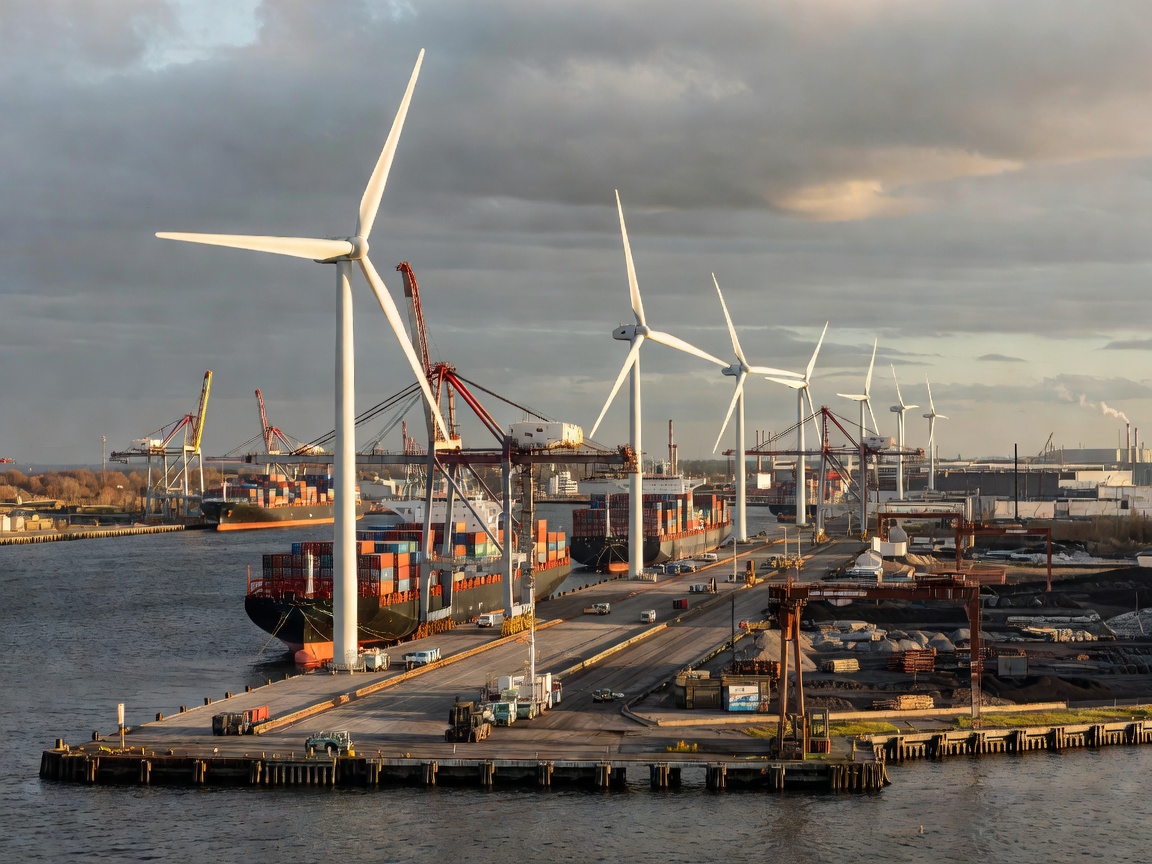
Port of Rotterdam
The largest port in Europe, pioneering sustainability initiatives and unmatched connectivity to the continental hinterland.
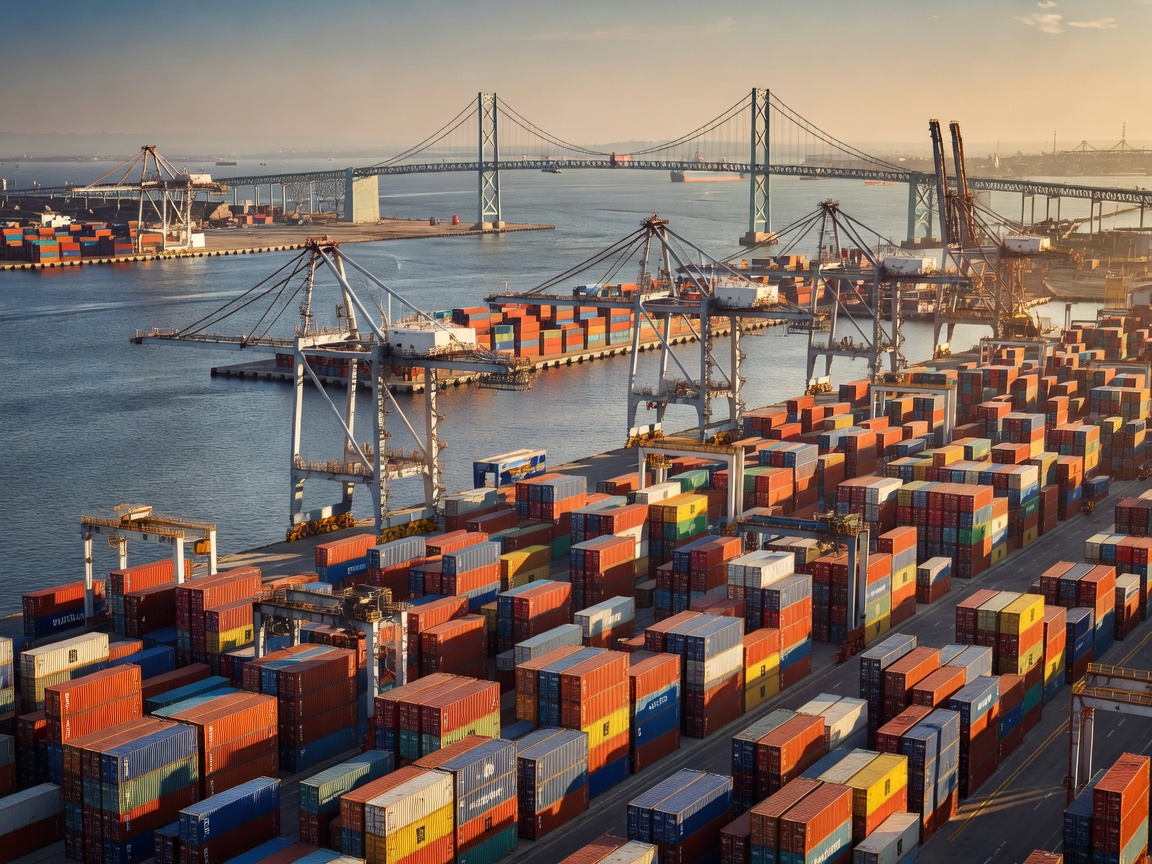
Port of Los Angeles
Anchoring the San Pedro Bay complex, this crucial port handles the vast majority of trans-Pacific trade entering North America.
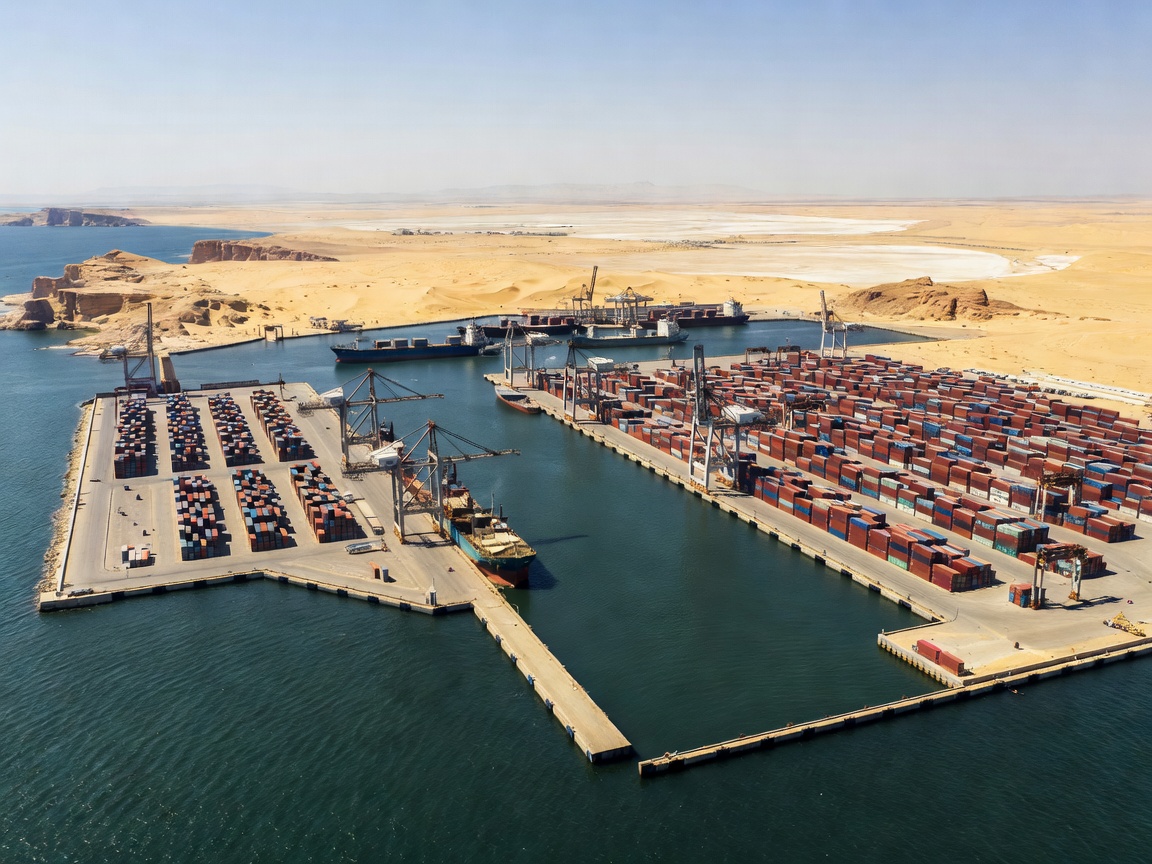
Port of Jebel Ali
The largest man-made harbor in the world and the linchpin of trade across the Middle East and Indian subcontinent.
Why Seaports Matter
It is estimated that around 80% to 90% of global trade by volume, and over 70% by value, is carried by sea and handled by ports worldwide. From the clothes we wear to the electronic devices we use daily, maritime transport is the invisible backbone of modern civilization.
Today’s major seaports are not merely docks; they are sophisticated technology centers. The integration of automated guided vehicles (AGVs), artificial intelligence for logistics routing, and massive gantry cranes operated from control rooms miles away has transformed historical harbor operations into precise, data-driven industries.
As ships grow increasingly larger to achieve economies of scale, ports are forced into a constant state of evolution. Dredging deeper channels, reinforcing quaysides, and expanding inland rail and road connections are ongoing challenges that define the success of these global hubs.