Port of Los Angeles
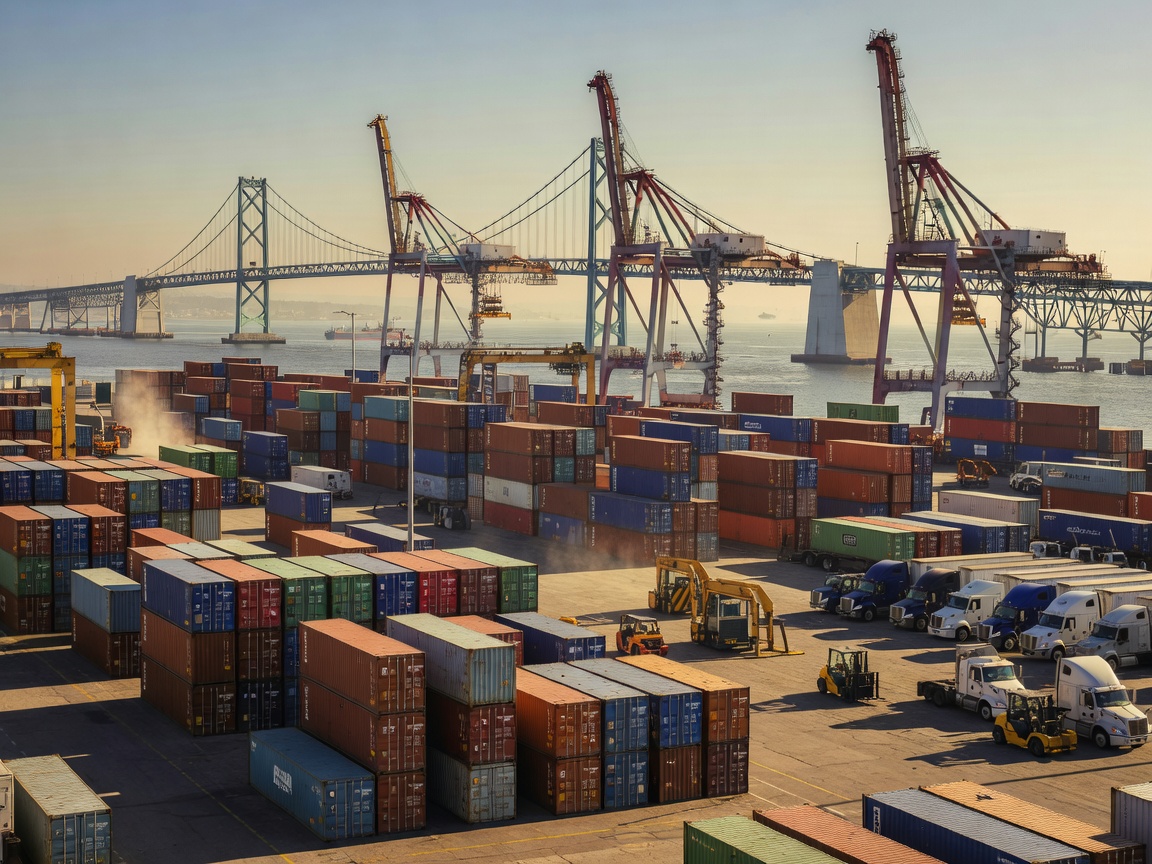
The Crown Jewel of the Trans-Pacific Route
Located in the San Pedro Bay, just south of downtown Los Angeles, the Port of Los Angeles (POLA) serves as the premier gateway for international commerce entering the United States. Frequently viewed in conjunction with its immediate neighbor, the Port of Long Beach, this sprawling maritime complex handles an overwhelming majority of the goods traveling between Asian manufacturing centers and North American consumer markets.
With its deep-draft waterways, extensive rail networks, and immediate access to major interstate highways, the port facilitates the movement of billions of dollars' worth of cargo annually. From automotive parts and electronics to apparel and agricultural products, the diversity of goods processed through these docks directly impacts the broader U.S. economy on a daily basis.
Supply Chain Challenges and Intermodal Transport
Because it operates at such a monumental scale, the Port of Los Angeles frequently serves as a barometer for global supply chain health. In periods of high consumer demand, the logistical complexities of moving cargo from massive container ships onto trucks and trains can result in notorious bottlenecks. Coordinating the handoff between shipping lines, terminal operators, drayage truckers, and rail companies is an intricate daily puzzle.
To mitigate these challenges, there is a heavy emphasis on intermodal transport—specifically the on-dock rail yards. By loading containers directly from ships onto trains destined for inland hubs like Chicago or Dallas, the port reduces the burden on local highway infrastructure and accelerates the delivery of goods to the American heartland.
Automation and Modernization
The push for efficiency has led to significant modernization efforts within specific terminals. Facilities such as the TraPac terminal have invested heavily in automated technology, utilizing robotic straddle carriers and remote-controlled gantry cranes. While the transition toward automation in U.S. ports involves complex negotiations with powerful labor unions, the integration of these technologies is seen as critical for maintaining competitiveness, increasing container density in the yard, and reducing truck turnaround times.
Additionally, modern software platforms are being deployed to improve supply chain visibility. Port community systems aim to provide a single window for stakeholders to track cargo, schedule appointments for truck pickups, and share data securely, thereby smoothing out the peaks and valleys of daily operations.
The Clean Air Action Plan
Operating a massive industrial complex in heavily populated Southern California comes with significant environmental responsibilities. The Port of Los Angeles, in partnership with Long Beach, implemented the San Pedro Bay Ports Clean Air Action Plan (CAAP), a landmark environmental strategy aimed at dramatically reducing emissions from port-related sources.
Initiatives under the CAAP include the widespread adoption of shore power, requiring ships to turn off their diesel engines and plug into the grid while docked. Furthermore, the port is actively testing and deploying zero-emission cargo-handling equipment and encouraging the transition of the local drayage fleet from diesel to electric and hydrogen fuel cell trucks. These ongoing efforts underscore a commitment to protecting the health of local communities while sustaining the economic vitality of this critical trade gateway.